Storefront glass in Edmonton: breakage, fogged units, and planning ahead
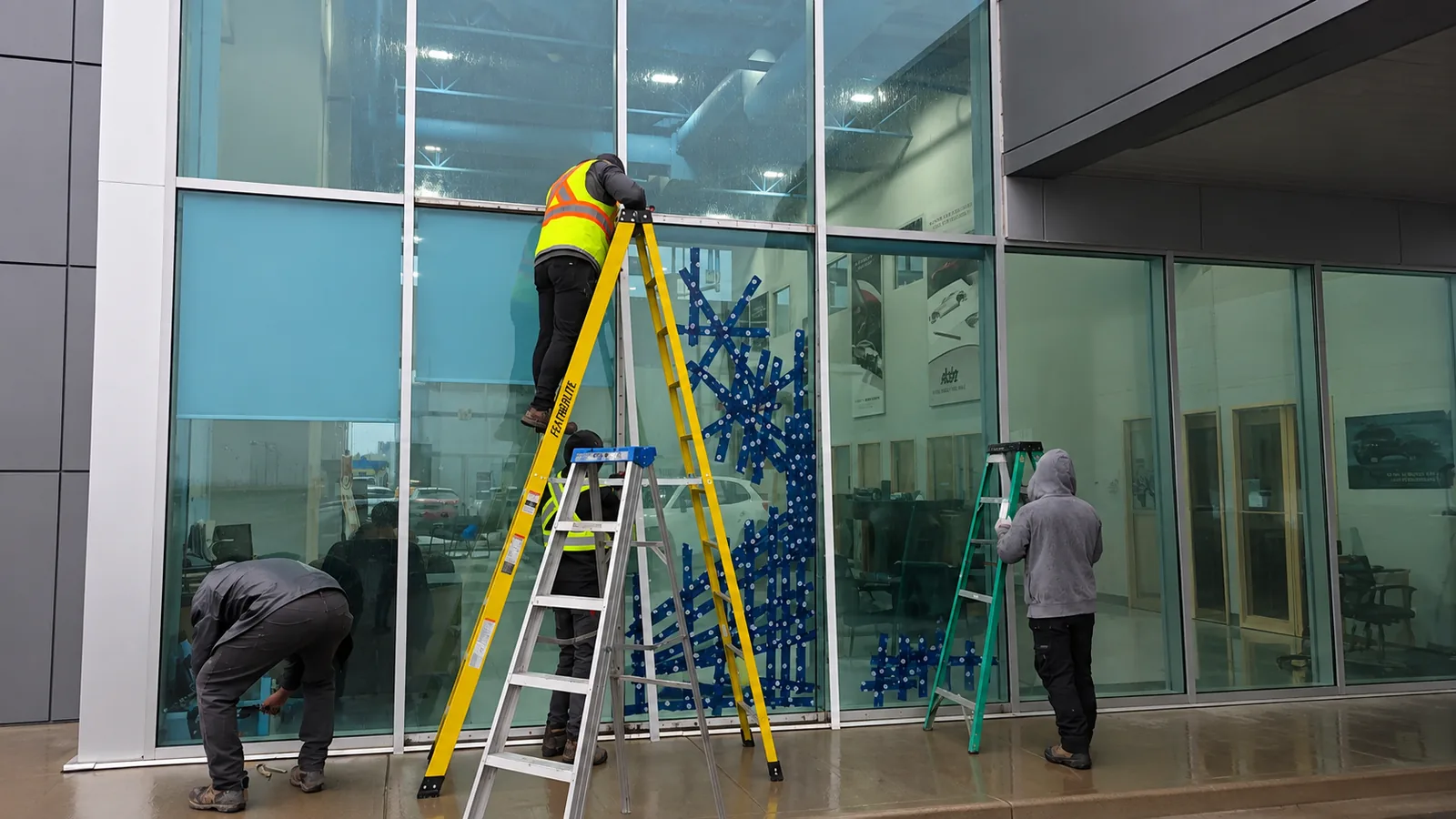
For a business, the storefront is not decoration — it is the building's face, its daylight, part of its heating bill, and the first thing a customer judges before they have read a word of signage. So when something goes wrong with commercial glass — a cracked pane, a fogged unit, a door that no longer sits right in its frame — it tends to jump the queue. This post covers how storefront glazing works, the two ways it most often fails, and how Edmonton businesses and property managers can handle both without drama.
What a storefront actually is
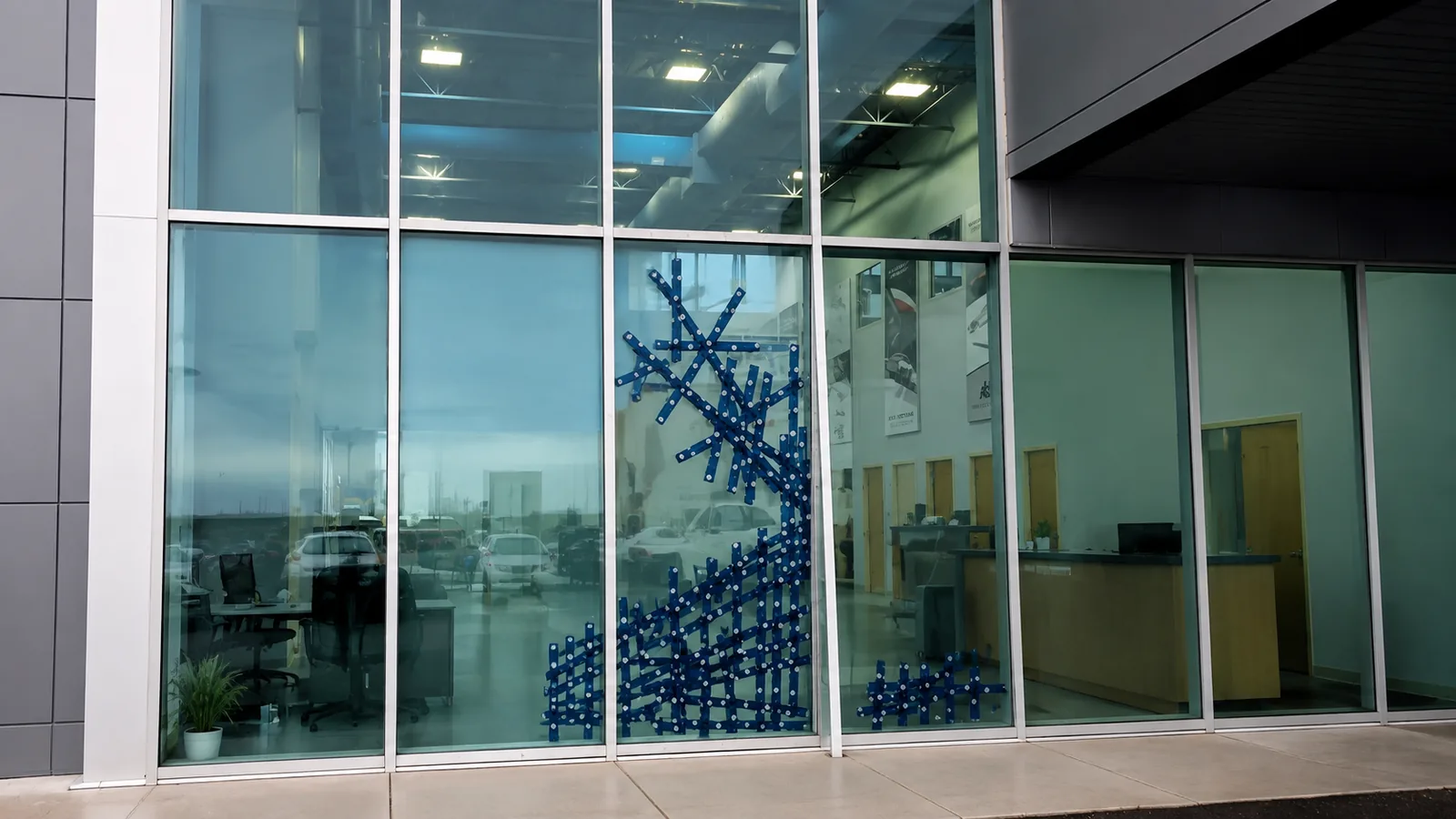
A modern storefront is a system, not a sheet of glass: aluminum framing members form a grid, and glazed units fill it. In most commercial storefronts those units are sealed units — two panes with a sealed air space between them — because a single pane of glass is a poor insulator and an Edmonton January is unforgiving about that. Larger buildings extend the same idea into curtain wall systems, where the glazing grid carries across the whole facade.
The system design is good news when something breaks. Because the glass sits in a frame as a replaceable unit, a damaged pane usually means replacing that unit, not rebuilding the storefront. The frame stays; the glass changes.
Failure one: breakage
Impacts, vandalism, gravel from a snow blade, a door slammed by wind — commercial glass leads a harder life than residential glass. When a pane is broken, the practical sequence for a business is straightforward:
- Make the area safe. Keep people away from the opening and the glass on the ground, and secure the opening.
- Photograph everything before cleanup — your insurer will want it, and it helps us identify the glazing.
- Get the opening measured. Replacement units are fabricated to the frame's actual dimensions, so measurement is the first real step toward glass in the hole.
The replacement unit is then fabricated, delivered, and installed into the existing frame. The timeline is driven by fabrication of your specific unit — another reason the measure happens first.
Failure two: the slow one
The second failure mode announces itself quietly: a unit that looks permanently dirty, fogs up on cold mornings, or shows drip marks between the panes. That is a failed sealed unit — the perimeter seal has let moisture into the cavity, and no amount of cleaning will reach it. It is the same failure we cover in detail in our guide to window condensation, and the remedy is the same: the sealed unit is replaced within its existing frame.
For a business, a fogged unit is worth taking seriously even though nothing is broken. It sits in your customer's first impression all day, and a unit that has lost its seal has also lost insulating performance it was supposed to be contributing.
For property managers and contractors
Commercial glazing is rarely a single pane. Property managers tend to arrive with a list — a fogged unit here, a cracked pane there, across several addresses — and contractors arrive with drawings for storefront or curtain wall packages on new work. Both are normal shapes for a project: the units are measured or taken from drawings, fabricated, and installed as one scope with one point of contact.
If glass is part of a larger renovation, it is worth remembering the rest of the catalogue travels with it: mirrors for washrooms and fitness rooms, shower glass for suites, and 10 mm glass railings for stairs and mezzanines can ride along on the same project.
Talk to us before you need to
Glass Culture Ltd. supplies and installs commercial glass and glazing in Edmonton, Alberta — sealed units, storefront glass and glazing systems, and curtain wall systems, with free quotations on every project. Whether you have a broken pane today or a fogged unit you have been ignoring since spring, request a quotation or call the office at 825 777 9555.